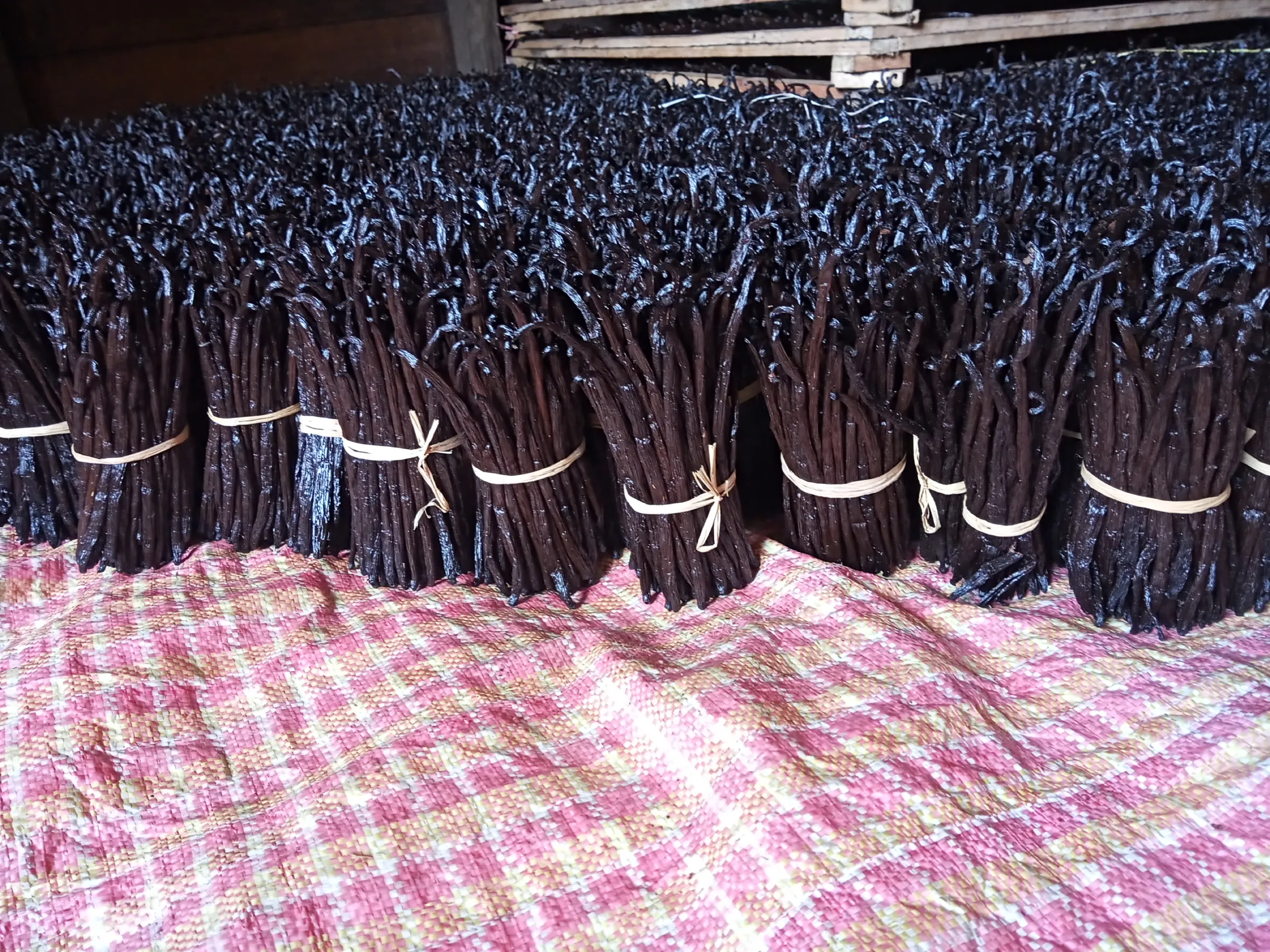
Introduction Fresh vanilla is more than an ingredient — it is a living flavor, a seasonal specialty whose aroma, texture, and complexity depend on timing, care, and provenance. Bio Vanilla Beans of Madagascar focuses exclusively on delivering truly fresh vanilla beans harvested and processed for maximum aromatic integrity. This article explains what “fresh vanilla” means, why it matters, and how Bio Vanilla Beans of Madagascar ensures exceptional quality for individual customers and large corporate buyers alike.
1. What “Fresh Vanilla” Means
- Fresh vanilla = pods harvested at optimal maturity, immediately and carefully processed to lock in volatile aromatics, and handled to preserve moisture, oils, and flavor precursors.
- Freshness is distinct from age or merely “recently packed.” It refers to correct harvest timing, immediate post-harvest treatment, and minimal exposure to conditions that strip aroma (heat, light, oxygen, improper drying).
2. Why Freshness Matters
- Flavor Complexity: Fresh beans retain full suites of aroma compounds beyond vanillin — fruity, floral, spicy, woody notes that give depth to culinary and industrial applications.
- Functional Performance: Fresh beans produce richer extracts faster, yield more aromatic oil per gram in cold macerations, and provide visual appeal (oily, glossy specks) prized by chefs and brands.
- Consistency & Traceability: Fresh, well-documented lots allow predictable formulation for product developers and reliable storytelling for marketers.
3. Plantation Practices That Preserve Freshness
- Timely Pollination and Monitoring: Flowers are hand-pollinated and pods are monitored closely so harvest occurs when flavor precursors have fully developed but before overripening.
- Gentle Harvesting: Pods are cut by hand to avoid bruising or sap flow that can invite mold and accelerate aroma loss.
- Shade-Grown, Responsible Agronomy: Vines grown in shaded agroforestry systems produce pods with balanced maturation and slower, more aromatic development—key to fresh-bean quality.
4. Optimal Harvest Timing
- Harvest Window: Pods are typically harvested when the tips begin to yellow but the pod remains firm—this window (around 6–9 months post-pollination) is when flavor precursors peak.
- Precision Harvesting: Skilled harvesters pick in multiple passes across vines to capture pods at exact readiness, ensuring each lot is uniform in maturity.
5. Immediate Post-Harvest Steps to Capture Freshness
- Rapid Handling: Pods are moved quickly from field to processing to prevent degradation.
- “Killing” Step: Brief heat treatment (hot-water blanch or solar heat) initiates enzymatic conversion of precursors to aromatic molecules without overcooking.
- Controlled Sweating: Pods are wrapped and kept warm/humid to promote enzymatic reactions; this stage is carefully timed to develop aroma while retaining moisture.
- Slow, Gentle Drying: Sun and shade cycles, or low-temperature drying, reduce moisture gradually to avoid cracking and loss of volatile oils.
- Conditioning: Beans rest in insulated boxes for weeks to months to stabilize and amplify aroma; freshness protocols optimize this phase for peak aromatic profile rather than prolonged, blunt aging.
6. Freshness Indicators for Buyers
- Appearance: Plump, glossy, oily surface; flexible without brittleness.
- Aroma: Intense, multi-layered fragrance — sweet, creamy, floral top notes and warm, spicy undertones.
- Texture: Slightly tacky to touch, indicating retained essential oils.
- Moisture: Not overly dry; retains pliability (indicative of proper curing aimed at freshness).
- Lot Documentation: Harvest date, curing dates, and farm/cooperative origin are provided to validate freshness.
7. Grading with Freshness in Mind
- Fresh premium whole beans: Plump, flexible, high-moisture beans intended for culinary use and gourmet retail.
- Fresh extract-grade beans: Slightly drier but recently cured beans optimized for efficient extraction with high aromatic yield.
- Custom lots: Tailored curing endpoints on request—e.g., slightly higher moisture for paste production, or longer conditioning for extract stability—always with traceable harvest timing.
8. From Fresh Beans to Finished Products
- Whole Bean Sales: Ideal for chefs, artisan bakers, and boutique brands that prize visible bean specks and peak aroma.
- Fresh Vanilla Extracts: Alcohol macerations made immediately from fresh beans capture broader aromatic spectra and develop faster.
- Vanilla Paste: Fresh-bean seeds combined with extract deliver visual and flavor impact in premium products.
- Powder & Fractionates: Fresh beans can be gently dehydrated and milled to produce high-aroma powders or shipped for fractionation, preserving more secondary aromatics than older beans.
9. Packaging, Storage, and Shipping to Preserve Freshness
- Immediate Packaging: Beans are vacuum-sealed or packed in inert-atmosphere, food-grade pouches soon after conditioning.
- Temperature Control: Cool, stable transport reduces loss of volatile aromatics; refrigerated options available for long shipments.
- Lot Traceability: Each package carries harvest and cure dates, origin details, and handling notes to assure buyers of freshness.
- On-Receipt Handling: Recommendations for buyers: store in dark, airtight containers at cool temperatures (12–20°C / 54–68°F) and use within recommended windows (peak within 6–12 months for optimal freshness).
10. Quality Assurance Focused on Freshness
- Sensory Evaluation: Frequent cupping and sensory profiles ensure each lot meets freshness standards.
- Moisture & Microbial Testing: Ensures safe moisture levels while confirming beans remain plump and aromatic.
- Analytical Support: Optional vanillin and aroma compound analysis (HPLC) tied to harvest/processing dates to demonstrate freshness-related aromatic content.
11. Sustainability & Fair Practices that Support Fresh Quality
- Farmer Support for Timing and Processing: Training and fair compensation for harvesters ensures pods are picked and processed at ideal maturity.
- Cooperative Systems: Coordinated harvest collection shortens time-to-processing, preserving freshness compared to fragmented supply chains.
- Environmental Stewardship: Shade-grown, low-chemical practices support vine health and steady maturation cycles crucial for fresh-bean consistency.
12. Buying Fresh Vanilla at Scale — What Corporations Need
- Short Lead Times & Pre-Booking: Fresh quality benefits from planned crop windows—contracts and pre-booking secure timely supply.
- Lot-Level Specs: Require harvest/cure dates, moisture content, and sensory notes to align procurement specifications with production schedules.
- Packaging & Shelf-Life Agreements: Specify packaging, cold-chain needs, and acceptable freshness windows for product formulations.
- Sampling & Pilot Runs: Test extracts and applications from fresh lots to adapt processes and validate sensory targets.
13. Conclusion
Fresh vanilla from Bio Vanilla Beans of Madagascar is defined by precise harvest timing, immediate and gentle processing, and rigorous handling designed to preserve a full aromatic spectrum. For individual customers and large corporations alike, choosing genuinely fresh beans delivers superior flavor, faster extraction performance, and compelling provenance for product storytelling. If your brand values peak aroma and traceable quality, fresh vanilla is a measurable advantage.